CEO'S MESSAGE
The period leading into July 2026 has reinforced a clear message for our industry: the boundaries between fire safety, security, cyber resilience, critical infrastructure protection, energy transition risk and governance are no longer separate. The traditional siloes that once allowed each discipline to operate independently are dissolving. A cyber intrusion can now have physical consequences. A battery or hydrogen hazard can become a planning, operational, insurance and emergency response issue. A data centre is no longer merely a building with high electrical demand; it is now part of the national conversation on AI, energy, water, sovereign capability and community impact.
In Australia, this convergence is being matched by a sharper regulatory posture. The enhanced Critical Infrastructure Risk Management Program rules, recent national security warnings, and the approaching annual board attestation cycle are moving critical infrastructure operators beyond documentary compliance and toward demonstrable, auditable resilience. It is no longer sufficient to say that risks have been considered. Responsible entities must be able to show how personnel security, cyber security, physical security, supply chain exposure, foreign ownership or influence, emergency management and operational continuity are being actively governed and tested.
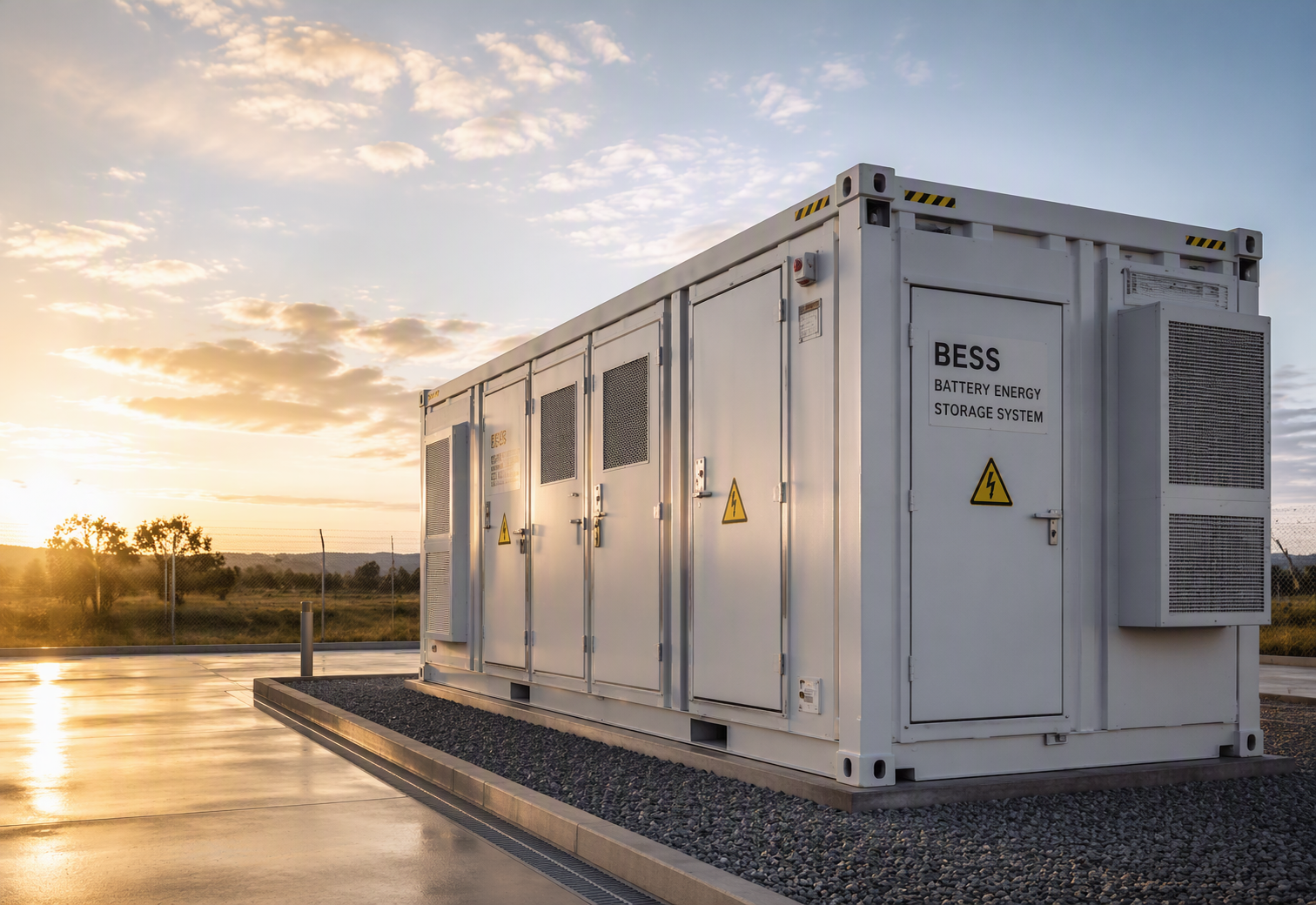
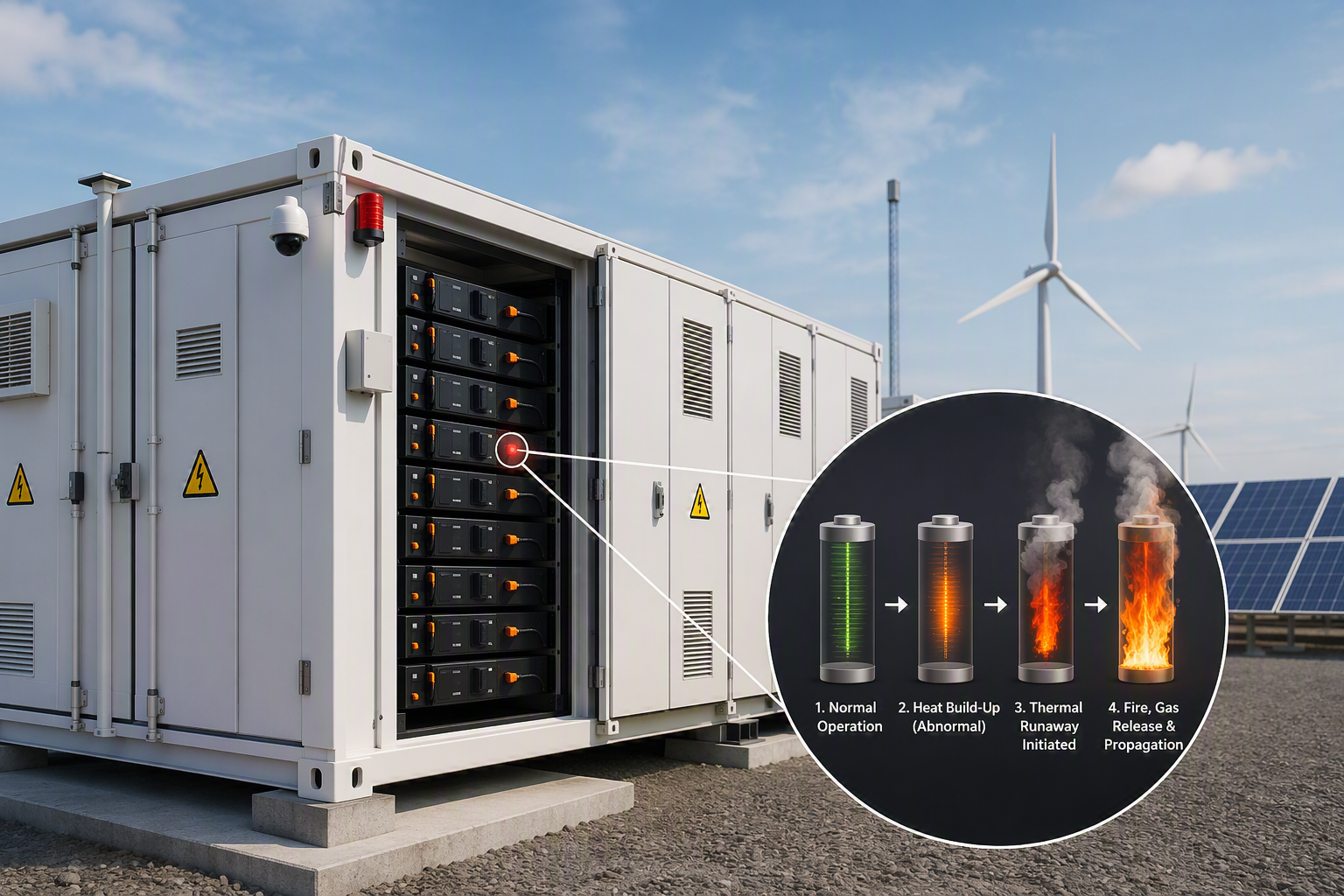
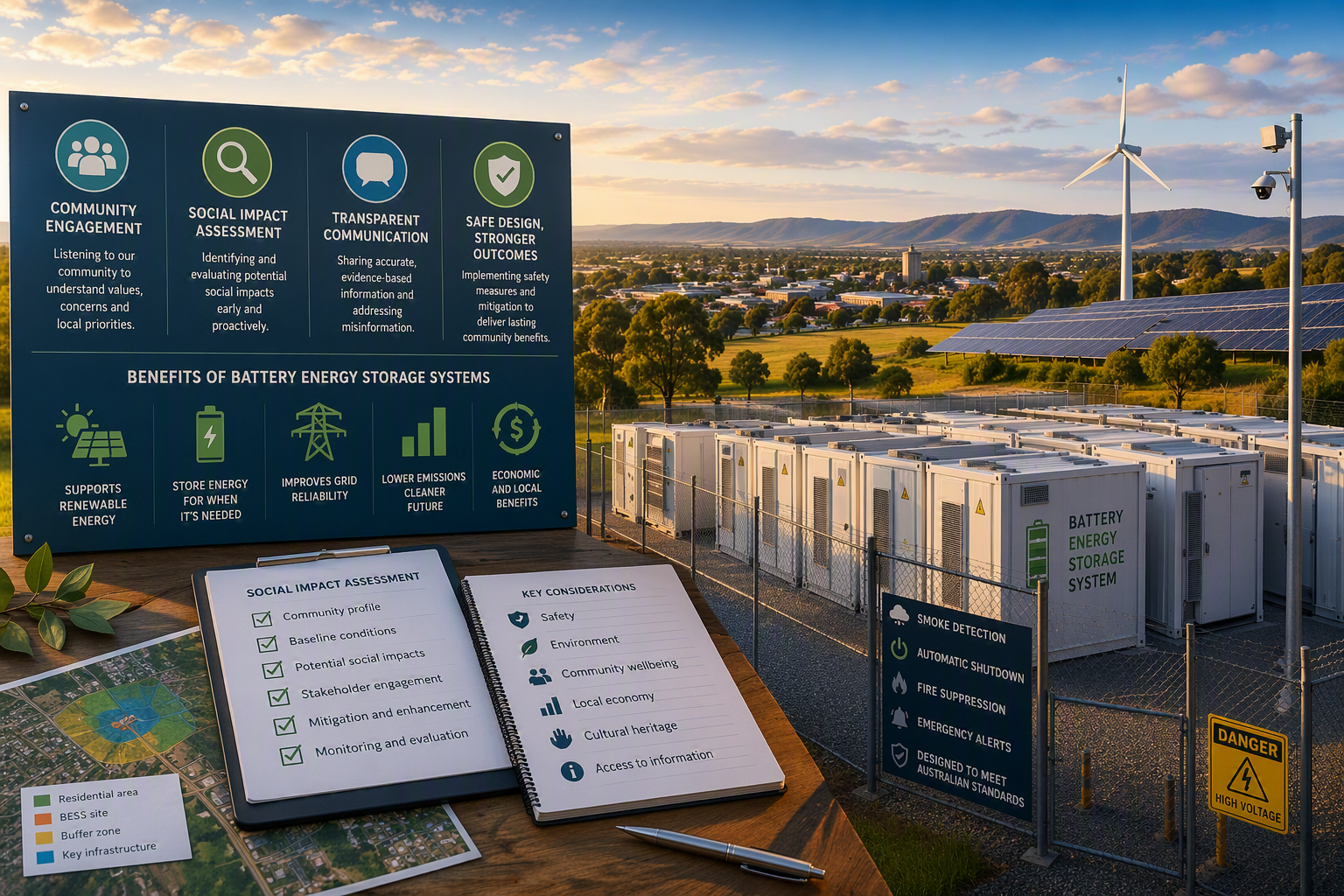
At the same time, the energy transition is creating new and necessary infrastructure, but also new hazard profiles. Battery energy storage systems, hydrogen facilities, high-density data centres and mass timber developments all have a vital role to play in a lower-carbon economy. However, their safe delivery requires early, evidence-based thinking. We are seeing fire authorities and regulators place greater emphasis on external siting, separation distances, consequence modelling, gas detection, emergency ventilation, structural survivability, firefighter safety and the limitations of traditional suppression assumptions. These are not barriers to innovation; they are reminders that innovation must be matched with proportionate assurance.
Artificial intelligence is also changing the shape of our work. Mandatory AI governance, emerging rules for large-scale data centres, and growing expectations around data provenance, privacy, copyright and infrastructure sustainability show that AI is no longer a purely digital issue. It has engineering, planning, energy, water, security and ethical dimensions. For Lote, AI is not a substitute for professional judgement; it is a tool that, when governed carefully, can help us interrogate complex standards, model scenarios more efficiently, test assumptions, and focus our people on higher-value reasoning and technical leadership.
This is the direction Lote is continuing to take. Our role is to sit at the intersection of technical engineering, security, risk, regulation and operational reality. We are strengthening our capability in critical infrastructure resilience, cyber-physical risk, fire safety for emerging technologies, performance-based engineering, computational modelling, social impact and governance advisory. Our aim is to help clients make decisions that are practical, defensible and aligned with the risks they are likely to face, not only the requirements that are easiest to document.
Our mission remains to make the world safe and secure. Life safety, dignity, continuity and resilience remain the critical drivers behind everything we do. In a period where regulation is tightening, technology is accelerating and threat landscapes are becoming more complex, our responsibility is to keep asking better questions, challenging assumptions, and helping our clients move from reactive compliance to resilient practice.
As always, we welcome your feedback on this edition of Lote Notes and on our services more broadly. Any discussion or dialogue inspired by these articles helps us to improve, sharpen our thinking and better serve the communities, clients and sectors that rely on resilient infrastructure.
Warm regards,
Dr. Maher Magrabi
Chief Executive Officer
Lote Consulting